Mastering Accounting and Inventory Management Software for Small Business


Introduction
Running a small business is no small feat. From managing finances to keeping track of inventory, every aspect needs careful attention to ensure success. This is where accounting and inventory management software comes into play. These tools are designed to streamline operations, reduce manual errors, and provide valuable insights that can drive growth. In this article, we’ll explore how these solutions can benefit your small business and help you choose the right one for your needs.
Key Takeaways
- Accounting and inventory management software can significantly improve the efficiency and accuracy of your business operations.
- Choosing the right software involves considering your specific business needs, budget, and scalability requirements.
- Integration capabilities with other business tools are crucial for maximizing the benefits of these solutions.
- Cloud-based solutions offer flexibility and accessibility, making them ideal for remote teams and growing businesses.
- Regular training and support are essential for maximizing the value of your chosen software.
Why Small Businesses Need Accounting and Inventory Management Software
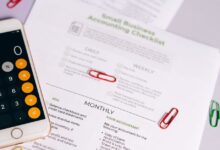
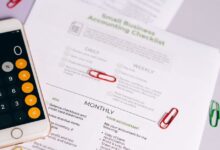
Small businesses often wear many hats, and managing finances and inventory can be overwhelming without the right tools. Manual bookkeeping and inventory tracking are time-consuming and prone to errors. By automating these processes, you can:




- Save Time: Automate repetitive tasks, allowing you to focus on growing your business.
- Reduce Errors: Minimize human errors in financial and inventory data, leading to more accurate reports and insights.
- Improve Decision-Making: Access real-time data to make informed decisions about pricing, purchasing, and inventory levels.
- Enhance Customer Satisfaction: Ensure you always have the right products in stock to meet customer demand.
Key Features to Look For
When choosing accounting and inventory management software, consider the following features:
1. Financial Management
Effective financial management is crucial for any small business. Look for software that offers:
- Invoice Creation: Easily create and send invoices to clients, with options for customizing templates and automating payment reminders.
- Expense Tracking: Keep track of all business expenses, from office supplies to travel costs, and categorize them for tax purposes.
- Financial Reporting: Generate detailed reports on your financial health, including profit and loss statements, balance sheets, and cash flow statements.
2. Inventory Management
Efficient inventory management is essential for maintaining optimal stock levels and avoiding stockouts or overstocking. Key features include:
- Stock Level Tracking: Monitor inventory levels in real-time to ensure you always have the right amount of stock.
- Reorder Points: Set automatic reorder points to trigger alerts when stock levels are low, helping you avoid stockouts.
- Batch and Serial Number Tracking: Track specific batches or serial numbers to manage product recalls and warranty issues effectively.
3. Integration Capabilities
Choose software that integrates seamlessly with other tools you use, such as e-commerce platforms, CRM systems, and payroll software. This ensures a cohesive workflow and reduces the need for manual data entry.
4. Scalability
Your business will grow, and your software should grow with it. Look for solutions that can scale to meet your changing needs without requiring a complete overhaul.
5. User-Friendly Interface
A user-friendly interface is crucial for ensuring that your team can use the software effectively. Look for intuitive design, clear navigation, and comprehensive training resources.
Top Accounting and Inventory Management Software for Small Business
Here’s a comparison of some of the best accounting and inventory management software options available:
| Software | Price | Best For | Key Features |
|---|---|---|---|
| QuickBooks | Starting at $25/month | Small businesses with basic accounting needs | Invoice creation, expense tracking, financial reporting |
| Wave | Free, with premium features available | Freelancers and small businesses on a budget | Free accounting, invoicing, and payroll | Zoho Inventory | Starting at $9/month | Small businesses with complex inventory needs | Multi-warehouse support, batch and serial number tracking, integration with e-commerce platforms |
| TradeGecko | Starting at $39/month | Wholesale and distribution businesses | Multi-channel inventory management, purchase order management, advanced reporting |
Comparison table of top accounting and inventory management software for small businesses.
Editorial Insight
“When selecting accounting and inventory management software, it’s crucial to consider your specific business needs. While some solutions may offer a wide range of features, it’s important to choose one that aligns with your current and future requirements. Don’t be swayed by flashy features if they don’t serve a practical purpose for your business.”
FAQ
1. What is the difference between accounting software and inventory management software?
Accounting software focuses on financial management, including invoicing, expense tracking, and financial reporting. Inventory management software, on the other hand, is designed to manage stock levels, track product movements, and optimize inventory. Many modern solutions offer both functionalities in a single platform.
2. How can accounting and inventory management software help my small business?
These tools can save you time by automating repetitive tasks, reduce errors in financial and inventory data, and provide valuable insights for better decision-making. They can also enhance customer satisfaction by ensuring you always have the right products in stock.
3. What should I consider when choosing accounting and inventory management software?
Consider your specific business needs, the features you require, integration capabilities with other tools, scalability, and the user-friendliness of the software. Also, factor in the cost and the level of support and training provided by the software provider.
4. Is it necessary to have both accounting and inventory management software?
While it’s possible to manage these functions separately, having both in a single solution can offer a more streamlined and integrated approach. This can lead to better data accuracy, improved efficiency, and a more comprehensive view of your business operations.
5. Can I use free accounting and inventory management software?
Yes, there are free options available, such as Wave, which offers basic accounting and invoicing features. However, free software may have limitations in terms of advanced features and support. Consider whether these limitations will meet your business needs.
Conclusion
Choosing the right accounting and inventory management software is a crucial step in optimizing your small business operations. By automating financial and inventory tasks, you can save time, reduce errors, and make more informed decisions. Consider your specific needs, budget, and scalability requirements to find the best solution for your business. With the right tools, you’ll be well-equipped to grow and succeed in today’s competitive market.