
Engaging Introduction
Running a small business is a rewarding yet challenging endeavor. One of the most critical aspects of maintaining a successful operation is effectively managing your finances and inventory. Small business accounting software with inventory capabilities can significantly ease this burden, providing you with the tools you need to keep track of your finances and stock levels. In this guide, we’ll explore the best options available, offering practical advice to help you make an informed decision.
Key Takeaways
- Small business accounting software with inventory helps manage finances and stock levels.
- Choosing the right software depends on your business size, budget, and specific needs.
- Features like automated invoicing, real-time inventory tracking, and customizable reports are crucial.
- Integration with other business tools, such as e-commerce platforms, can enhance efficiency.
- Customer support and user-friendly interfaces are important factors to consider.
Understanding the Basics
Before diving into the specifics of small business accounting software with inventory, it’s essential to understand what these tools are and how they can benefit your business.
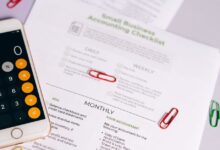


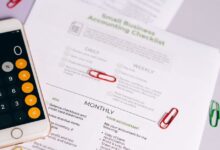


What is Small Business Accounting Software?
Small business accounting software is designed to help you manage your financial records, including income, expenses, and taxes. It automates many of the tedious tasks associated with bookkeeping, such as tracking transactions, generating invoices, and preparing financial statements. This can save you time and reduce the risk of errors.
Why Inventory Management Matters
Inventory management is a critical component of any business that sells physical products. It involves tracking stock levels, orders, sales, and deliveries. Effective inventory management ensures that you have enough stock to meet customer demand without overstocking, which can lead to increased storage costs and potential waste.
The Benefits of Integrated Solutions
Small business accounting software with inventory management combines the best of both worlds. Here are some key benefits:
- Centralized Data: All financial and inventory data is stored in one place, making it easier to manage and access.
- Real-Time Insights: Get instant updates on your financial and inventory status, allowing you to make informed decisions quickly.
- Automated Processes: Automation can save time and reduce the risk of human error in tasks like invoicing and stock updates.
- Cost Efficiency: Integrated solutions often offer better value than purchasing separate accounting and inventory management tools.
Top Small Business Accounting Software with Inventory
Now that you understand the basics, let’s look at some of the best small business accounting software options that include inventory management.
QuickBooks
Overview: QuickBooks is one of the most popular accounting software options for small businesses. It offers a range of plans, including some with inventory management features.
Key Features:
- Automated invoicing and payment tracking
- Real-time inventory tracking
- Customizable reports and dashboards
- Integration with e-commerce platforms
- Mobile app for on-the-go management
Pros:
- User-friendly interface
- Robust feature set
- Excellent customer support
Cons:
- Can be expensive for small businesses on a tight budget
- Some advanced features require higher-tier plans
Zoho Books
Overview: Zoho Books is another excellent option for small businesses, offering a comprehensive suite of accounting and inventory management tools.
Key Features:
- Multi-currency support
- Customizable invoices and estimates
- Inventory tracking with low stock alerts
- Expense tracking and categorization
- Time tracking and project management
Pros:
- Highly customizable
- Affordable pricing
- Seamless integration with other Zoho products
Cons:
- Less user-friendly for beginners
- Limited customer support options
Xero
Overview: Xero is a cloud-based accounting software that is particularly popular among small businesses and accountants. It offers robust inventory management features, making it a strong contender for businesses that need both financial and stock control.
Key Features:
- Automated bank feeds
- Multi-currency support
- Real-time inventory tracking
- Customizable reports
- Integration with over 800 apps
Pros:
- Highly customizable
- Strong app ecosystem
- Good for international businesses
Cons:
- Can be overwhelming for new users
- Higher pricing for advanced features
Wave
Overview: Wave is a free accounting software that is ideal for very small businesses and freelancers. It offers basic inventory management features, making it a cost-effective solution for those on a tight budget.
Key Features:
- Free accounting and invoicing
- Basic inventory tracking
- Expense tracking and categorization
- Mobile app for on-the-go management
- Free payroll for up to 5 employees
Pros:
- Completely free
- User-friendly interface
- Basic features are sufficient for small operations
Cons:
- Limited advanced features
- No real-time inventory tracking
- Limited customer support
Comparison Table
| Software | Price | Inventory Management | Integration | User-Friendliness |
|---|---|---|---|---|
| QuickBooks | $25-$70/month | Yes | Yes | High |
| Zoho Books | $9-$25/month | Yes | Yes | Medium |
| Xero | $20-$60/month | Yes | Yes | Medium |
| Wave | Free | Basic | Yes | High |
Choosing the Right Software for Your Business
With so many options available, choosing the right small business accounting software with inventory can be overwhelming. Here are some factors to consider:
Business Size and Budget
The size of your business and your budget will play a significant role in your decision. If you’re a very small business or freelancer, free options like Wave might be sufficient. For larger businesses, more robust solutions like QuickBooks or Xero may be necessary.
Specific Needs
Consider your specific needs. Do you require multi-currency support? Are you looking for advanced reporting features? Do you need to integrate with other business tools? These factors can help narrow down your options.
User-Friendliness
User-friendly interfaces are crucial, especially if you’re new to accounting. Look for software that is intuitive and easy to navigate. Some options, like QuickBooks, are known for their user-friendly design.
Customer Support
Good customer support can make a big difference, especially when you encounter issues or have questions. Check the support options available, such as live chat, phone, and email.
“Choosing the right accounting software is a bit like picking the right pair of shoes. You need to find the one that fits your specific needs and budget. Don’t be afraid to try out a few options before making your decision.”
FAQ
What are the main features to look for in small business accounting software with inventory?
When selecting small business accounting software with inventory, look for features such as automated invoicing, real-time inventory tracking, customizable reports, and integration with other business tools. These features can help streamline your operations and provide valuable insights.
Can I use small business accounting software with inventory if I have a side hustle?
Absolutely! Many small business accounting software options are designed to be flexible and can accommodate side hustles. Look for software that offers a free trial or a basic plan to get started. As your business grows, you can upgrade to more advanced features.
How important is integration with other business tools?
Integration with other business tools, such as e-commerce platforms, can significantly enhance efficiency. It allows you to automate processes, reduce manual data entry, and ensure that all your data is up-to-date and accurate.
What if I need help setting up the software?
Most small business accounting software providers offer setup guides and customer support to help you get started. If you’re new to accounting, consider reaching out to a professional for assistance. Many accountants and bookkeepers are familiar with popular software options and can help you set up and optimize your system.
Can I switch from one accounting software to another?
Yes, you can switch from one accounting software to another. However, it’s important to carefully plan the transition to ensure a smooth process. This may involve exporting data from your current software and importing it into the new system. Some software providers offer migration services to help with this process.
Conclusion
Small business accounting software with inventory is a powerful tool that can help you manage your finances and stock levels more effectively. By choosing the right software, you can streamline your operations, reduce errors, and gain valuable insights into your business. Consider your specific needs, budget, and the features that matter most to you. With the right solution, you can take your business to the next level.